
It’s Not Just Stress—It’s Burnout: Understanding Emotional Shutdown in Students
- Briggett Harris
- Aug 3
- 4 min read
Updated: Oct 29
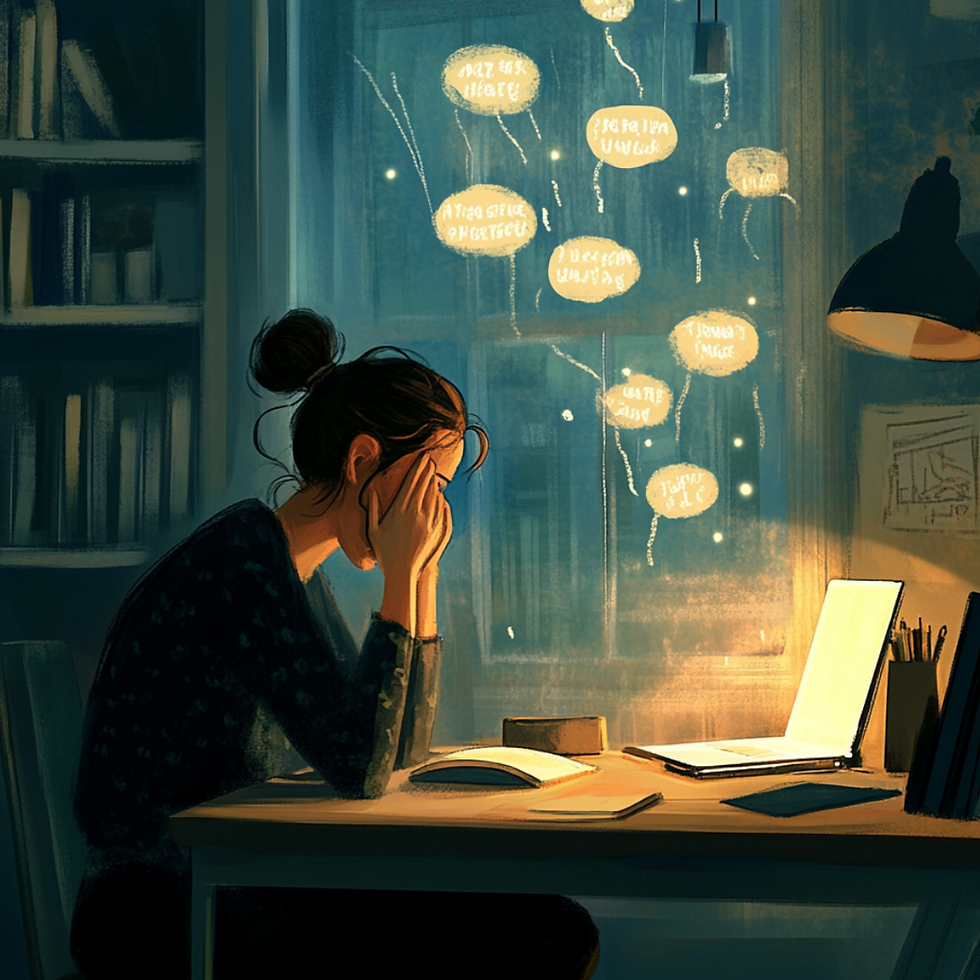
More and more students are hitting their breaking point—and it’s not just the overachievers. It’s the quiet ones. The struggling ones. The ones who seem fine until suddenly… they’re not. They stop turning in assignments. They stop talking to friends. They say “I don’t care anymore,” even though they used to.

Understanding Burnout in Students
What’s happening? It’s not laziness. It’s not defiance. More often than not, it’s burnout—and emotional shutdown. In today’s school environment, burnout isn’t rare. It’s becoming a default setting for too many students trying to navigate relentless pressure, expectations, and emotional overload. When the stress becomes too much to manage, the nervous system flips the switch—and shuts everything down.
Burnout Is Affecting All Types of Students
We often associate burnout with students who are overloaded with extracurriculars and honors classes—but burnout impacts all students. In fact, those who are:
Struggling to keep up academically
Battling anxiety or depression
Dealing with family stress, trauma, or neurodivergence
Feeling disconnected or unsupported at school
…are just as likely—if not more likely—to experience emotional collapse. According to recent CDC data, nearly 4 in 10 high school students report persistent feelings of sadness or hopelessness, and over 70% of students say school is a significant source of stress. These numbers aren’t limited to top performers—they reflect a widespread mental health crisis.
What Emotional Shutdown Really Looks Like
When burnout takes hold, students may not lash out. They may not even speak up. Instead, they shut down. Emotional shutdown is a protective response from the nervous system. When stress becomes chronic and unbearable, the body essentially says: “If I can’t fix this, I’ll stop feeling it.”
Signs of Emotional Shutdown
Signs of shutdown include:
Sudden lack of motivation or effort
Withdrawing from friends, teachers, or family
Flat emotional expression or numbness
Sleeping too much—or barely at all
Saying “I don’t care,” “It doesn’t matter,” or “What’s the point?”
Forgetfulness, zoning out, or appearing “spaced”
This isn’t attitude. It’s survival mode.
What Causes Burnout in Students?
There isn’t one single cause—but there are several common contributors:
Academic overload (or feeling lost and unsupported)
Pressure to “bounce back” after setbacks
Social anxiety or isolation
Mental health challenges like depression, anxiety, or trauma
Unrealistic expectations from themselves or others
Lack of meaningful rest or emotional support
Whether a student is failing or passing, overwhelmed or under-engaged, the internal experience can be the same: “I’m stuck, I’m tired, and I don’t know how to feel better.”
Why Coping Skills Aren’t Always Enough
Telling a burned-out student to “try harder,” “get organized,” or “take deep breaths” may completely miss the mark. When students are shut down, they don’t need more strategies—they need more support. This is where emotional regulation becomes critical.
Emotional Regulation: The Missing Skill
Emotional regulation is the ability to understand, manage, and respond to emotional experiences in a healthy way. It’s about staying connected to what you feel, even when it’s hard. For students in shutdown, emotional regulation helps them:
Recognize what they’re feeling and why
Move through overwhelming emotions instead of avoiding them
Reconnect with their body and the present moment
Regain a sense of control and hope
Learn how to cope without shutting down or giving up
And it’s a teachable skill. One that too few students ever learn.
6 Evidence-Based Strategies to Help Burned-Out Students Reconnect
Here are six practical, research-supported tools you can use to help a student shift out of emotional shutdown and into healthy regulation:
Emotion Check-In Charts: Start with daily “How am I feeling?” check-ins using visuals or rating scales to build emotional awareness.
Grounding Techniques: 5-4-3-2-1 exercises or cold water splashes can help reawaken a disconnected nervous system.
Thought Reframing (CBT): Challenge stuck thoughts like “I’m a failure” with truth-based alternatives: “This is hard, and I’m learning.”
Movement-Based Regulation: Gentle stretches, walks, or shaking it out can release pent-up stress and restore body awareness.
Values Exploration (ACT): Help students reconnect with what actually matters to them—not what others expect.
Validation & Safety: Above all, remind students: “What you’re feeling makes sense—and you don’t have to fix it alone.”
Don't Think of This as a Discipline Problem, But a Distress Signal
Students don’t break down because they’re weak. They break down because their system is overloaded—and they haven’t been taught what to do with it. Burnout and emotional shutdown are real, treatable, and preventable. But only if we learn to look beyond the surface.
Let’s stop focusing only on academic performance and start asking deeper questions:
How is this student really doing emotionally?
Do they feel seen, supported, and safe?
Do they have tools to manage overwhelming stress?
Because when we give students the right tools—not just for school, but for life—they start to recover. They start to feel. They start to reconnect.
The Importance of Seeking Help
If you or someone you know is experiencing emotional overwhelm, it’s essential to seek help. Reaching out for support can be a significant first step toward healing. Remember, you are not alone in this journey. There are resources available, and people who care about your well-being.
👉 Subscribe for weekly tools on student emotional wellness
👉 Schedule a consultation to support your student
Briggett Harris, LMHC


Comments